The world's most farmed fish, underserved by diagnostics.
Tilapia is the second most farmed aquatic animal globally. ISKNV, TiLV, and Streptococcus cost the industry hundreds of millions annually. The RAPID platform is being extended to cover them.
Six fin fish targets in development.

Photo: PMC Open Access / CC BY
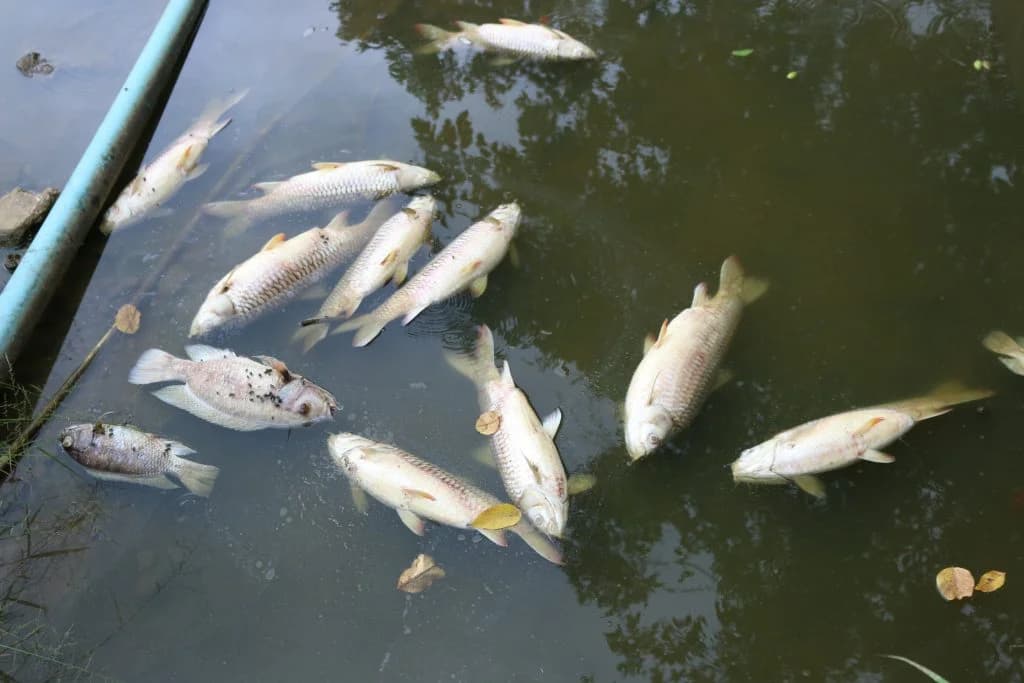
Infectious Spleen and Kidney Necrosis Virus
A major iridovirus affecting tilapia and other freshwater species. Causes mass mortality in fingerlings and juveniles. Rapid on-site detection is critical for hatchery screening and early grow-out intervention.

Photo: Fish Farmer Magazine / fishfarmermagazine.com
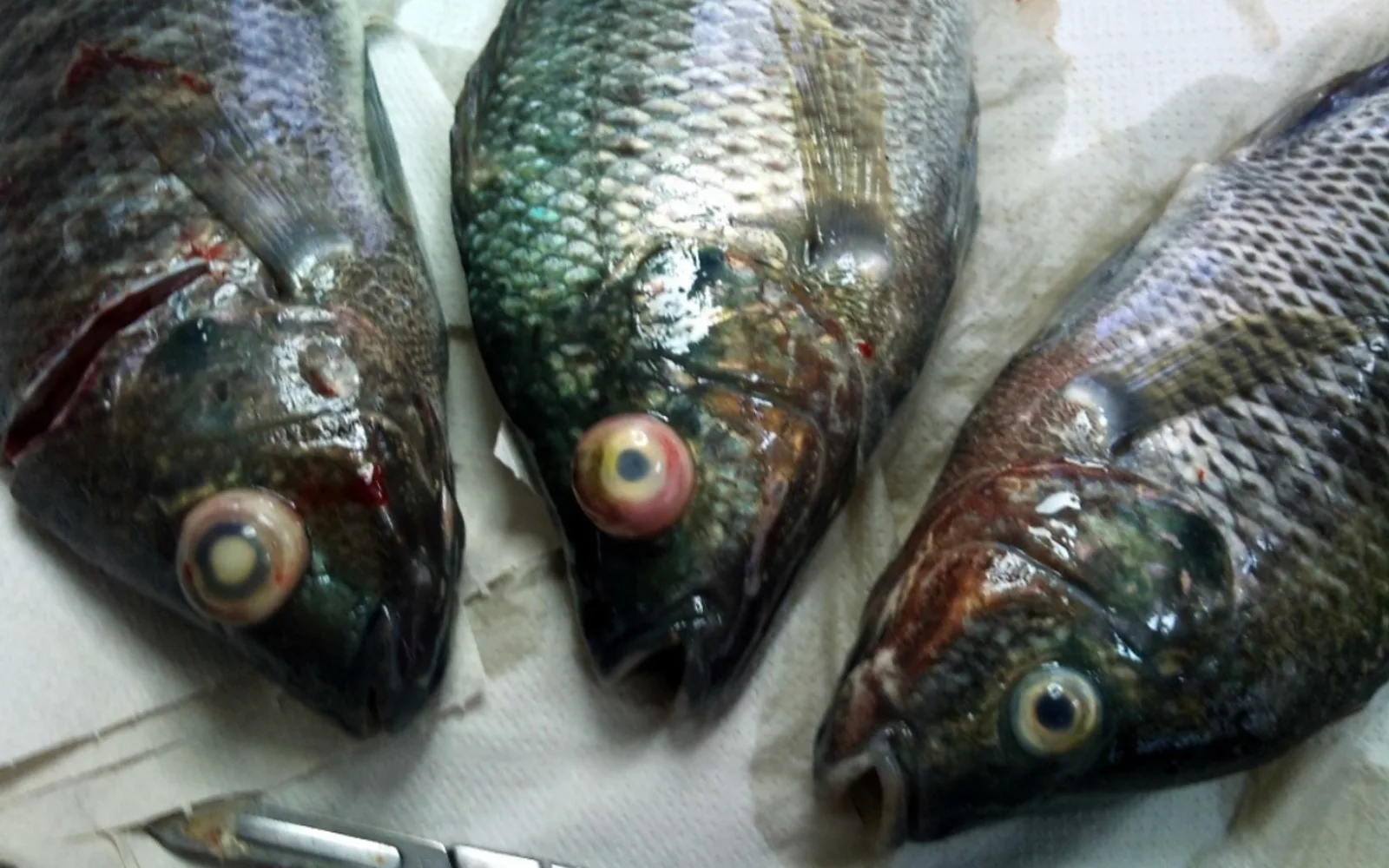
Tilapia Lake Virus
An emerging orthomyxo-like virus causing syncytial hepatitis. Mortality rates up to 90% in affected populations. Spreading rapidly across Southeast Asian and African tilapia farms with limited field-level surveillance.

Photo: Wikimedia Commons
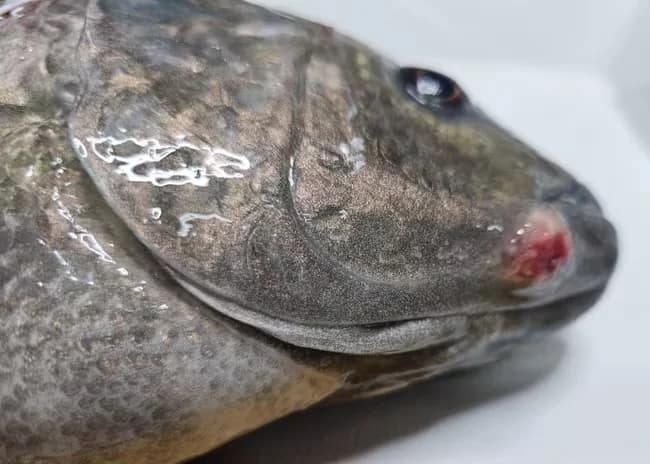
Streptococcus
Streptococcal infections are among the most economically significant bacterial diseases in tilapia. Serotype-level identification is essential for targeted treatment and vaccine matching. Four serotypes covered.
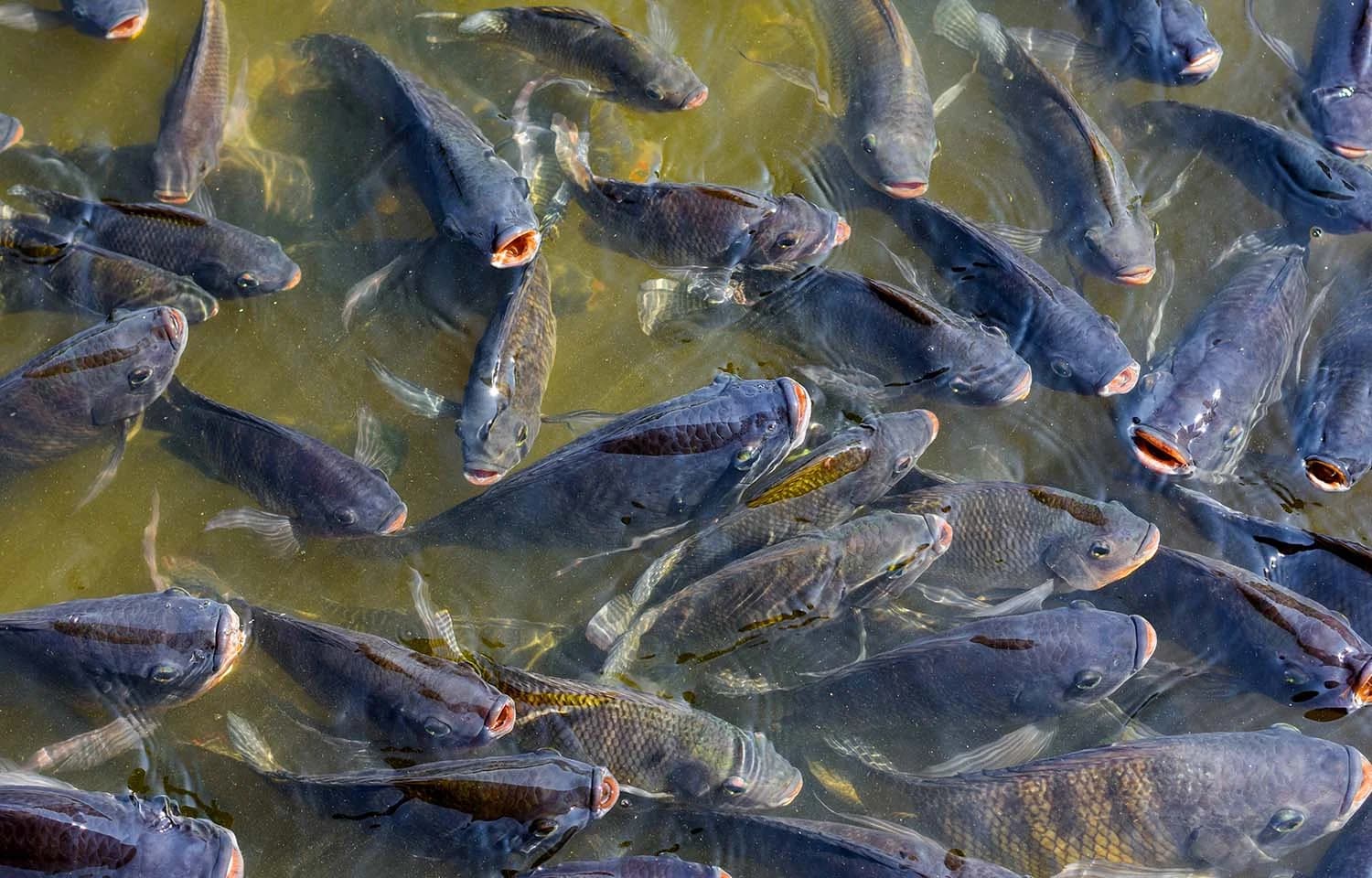
Tilapia farming across Southeast Asia.

Photo: WorldFish / Flickr CC BY-NC-ND
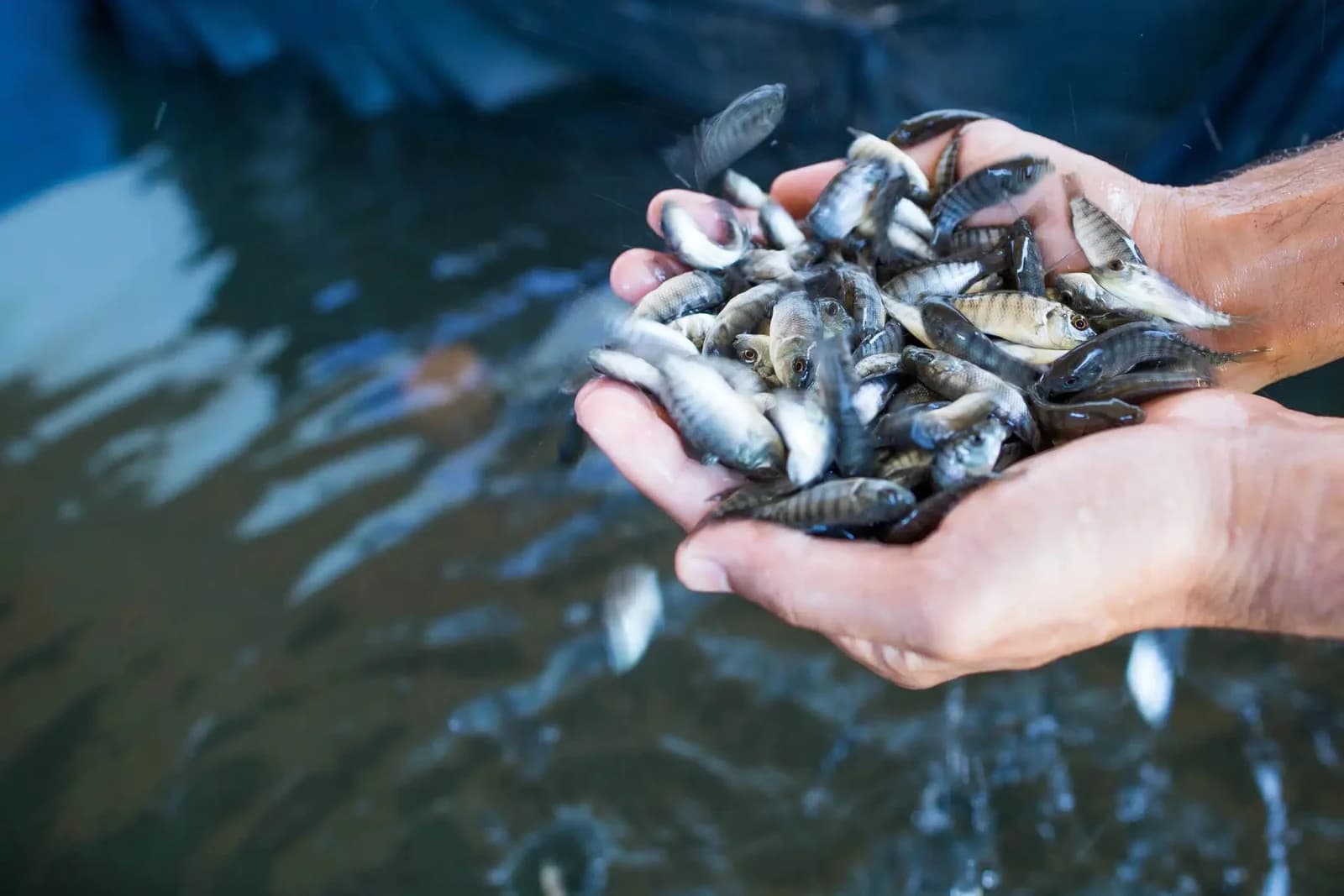
Photo: WorldFish / Flickr CC BY-NC-ND
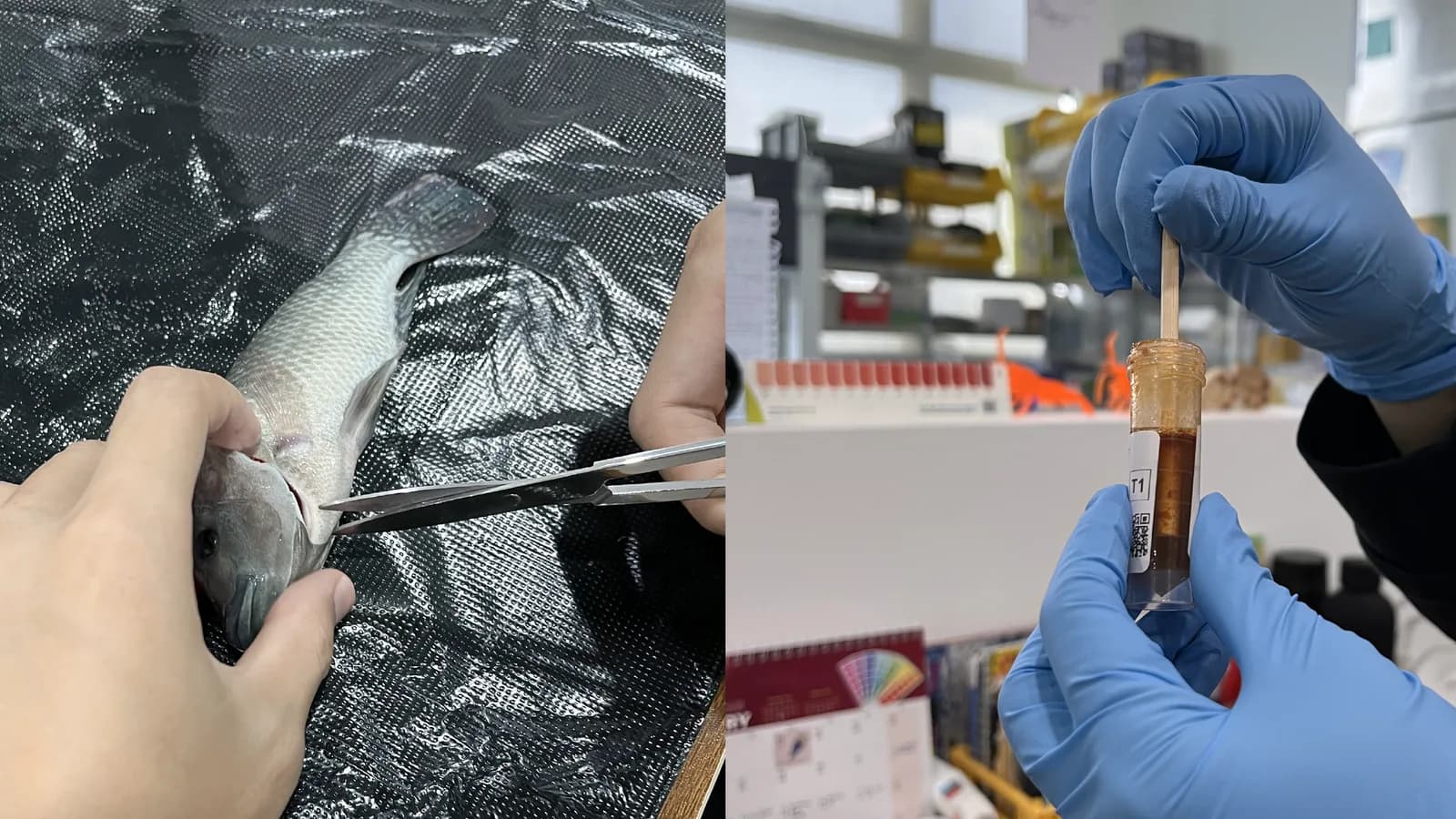
Photo: Forte Biotech
The same infrastructure. A new species.
The diagnostic gap in fin fish is the same gap we closed in shrimp — farms operating without access to molecular diagnostics, relying on symptoms and guesswork. RAPID's platform architecture means we don't need to start from scratch. The devices, the extraction chemistry, and the field workflow are already proven.
Same devices. Same workflow.
RAPID, RAPIDPlus, and RAPIDMax all support the fin fish assay panel. No new hardware. No retraining. Farms already using RAPID for shrimp can run fin fish assays on the same equipment.
Sample types confirmed
ISKNV and TiLV: fingerlings, spleen, kidney. Sample preparation uses the same RAPID extraction workflow validated in shrimp — no additional lab equipment required.
We're now opening early access to farms, hatcheries, and research partners who want to be first.
The RAPID platform infrastructure is already built and proven in commercial field conditions. Target pathogens are identified — ISKNV, TiLV, Streptococcus agalactiae, S. iniae, and Lactococcus garvieae. We're now opening early access to farms, hatcheries, and research partners who want to be first.